
Bread Thanks Congressional Leadership for Passage of Emergency Humanitarian Aid
Washington, D.C., April 24, 2024 – Bread for the World thanks the House and Senate for passage of,...





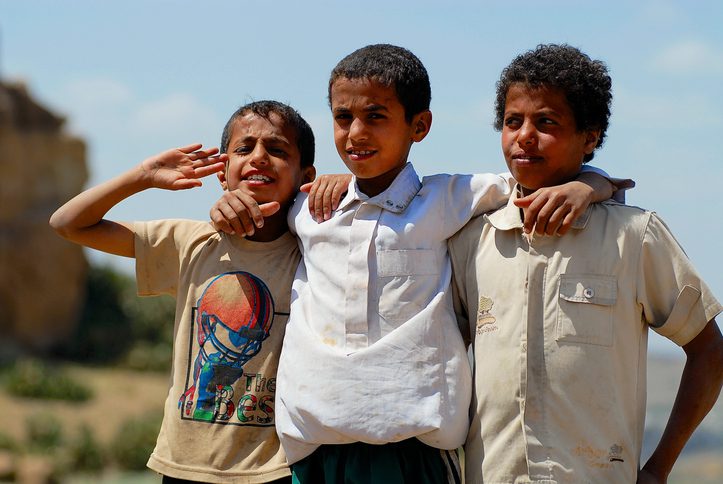
See how Bread is responding to these hunger crises and how you can join us in advocating for those affected by hunger.
Learn More
One in four children under age five is severely malnourished.
But it doesn’t have to be that way.
Every voice matters. With your support, we can reach the people with the power and resources to make hunger a problem of the past.

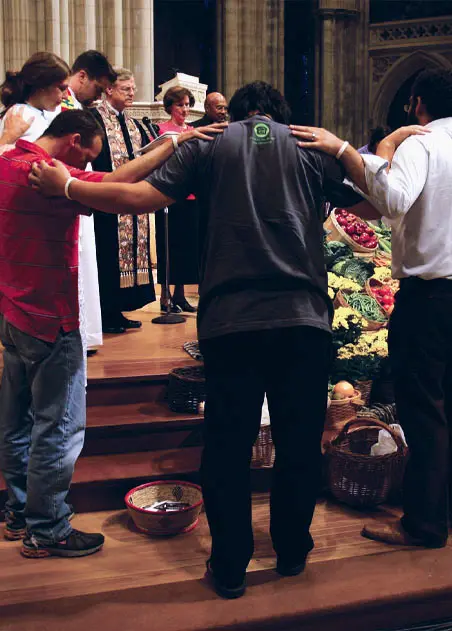

It’s more than growing enough food.
It’s getting the right nutrition to the people who need it.
As Christians and activists, we can leverage our collective power and resources to make hunger a problem of the past.
Get InvolvedChurches, charities, food banks, and nonprofit organizations can’t solve hunger alone. Government programs and policies play an especially important role. Thanks to an abundance of resources, federal nutrition programs provide 10 times as much food assistance as private churches and charities combined.
When enough people speak up, government leaders listen.
Get Involved
Bread’s recent legislative victories are impacting millions of people experiencing hunger. We’ve pushed to secure billions of dollars in humanitarian aid for Ukraine, Ethiopia, and other countries. Through nonpartisan political engagement, we’ve worked to strengthen national nutrition programs. For every dollar you give to support our advocacy, Bread for the World helps win hundreds of dollars in federal government assistance for families in the United States and around the world.
raised for humanitarian efforts
constituent contacts with Congress
reached by our message of hope

For every dollar you give to support our advocacy, Bread for the World helps win hundreds of dollars in federal government assistance for families in the United States and around the world.
GiveBread for the World is a Christian advocacy organization urging U.S. decision makers to do all they can to pursue a world without hunger. Our mission is to educate and equip people to advocate for policies and programs that can help end hunger in the U.S. and around the world.
For nearly five decades, Bread has advocated for government policies and programs that will end hunger for good, in the U.S. and around the world.
We’ve earned the trust of U.S. decision makers and hundreds of thousands of people around the globe who have joined us. Help us make hunger impossible to ignore.
Join the 300,000 people who write, email, and call their members of Congress with Bread every year to speak up about hunger.
We bring together the voices of churches, organizations, individuals, and other groups to change laws and systems that allow hunger to persist.

We need your voice on social media, in your church, and in your community!
Share our stories, news, and facts by tagging your senators or representatives to let them know the issues you care about. Social media use by lawmakers is at an all-time high, and your engagement matters!
Washington, D.C., April 24, 2024 – Bread for the World thanks the House and Senate for passage of,...

Washington, D.C., April 20, 2024 – Bread for the World welcomes House passage of more than $9 billion...

By Isabel Vander Molen Earth Day– April 22—is a day to mobilize people around the world...
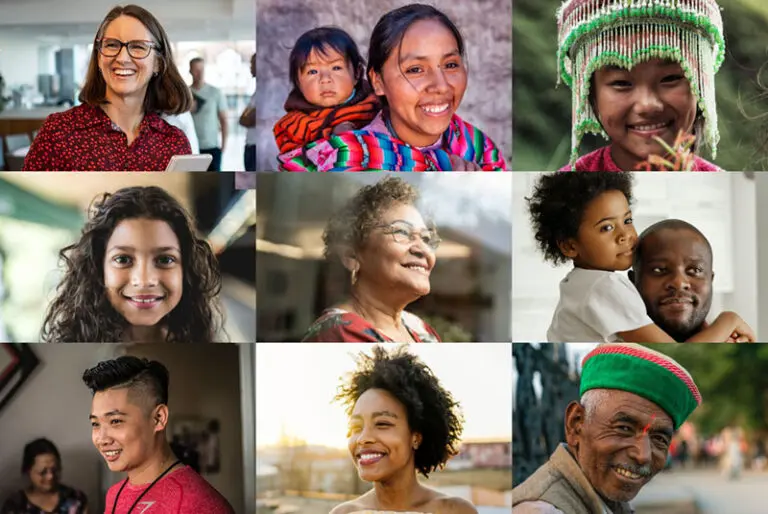
Hunger affects every community.
However, at Bread, we see a disproportionate impact on women, communities of color, and rural communities – both in the U.S. and around the world. We are led by the voices of each community to seek nourishment and well-being for all. More voices are essential to advocate with those most impacted for equitable and effective programs that will end hunger in these communities.
Our bowl and table logo represents what we do. We gather people, at many tables, to provide Bread for the World. We sit, together, at tables of power and influence with lawmakers to enact policies that help ensure everyone has access to nutritious food.
New to Bread? Start here.